
 English
 中文简体
 日本語
 한국어
 Español

- Type:
- Industry News
- Date:
- 2026-Oct-23
Content
- 1 Quick Answer: What Are slow rising squishy toys?
- 2 Key Facts at a Glance
- 3 Anatomy of slow rising squishy toys
- 4 Material Systems Compared
- 5 How the Slow Recovery Works
- 6 From Sculpt to Finished Piece: The Production Flow
- 7 Mold Design Choices That Shape Recovery
- 8 Surface Finishing and Scent Systems
- 9 Quality Inspection Items and Pass Criteria
- 10 Safety and Compliance Checklist
- 11 Product Range Built Around Different Experiences
- 12 Size, Weight and Hand-Feel Guide
- 13 Custom Development Workflow
- 14 Troubleshooting Common Defects
- 15 Packaging, Storage and Shelf Life
- 16 Care, Cleaning and Everyday Use
- 17 Frequently Asked Questions About slow rising squishy toys
- 17.1 How long should slow rising squishy toys take to rise?
- 17.2 Why does one squishy slow rising piece rise faster than another?
- 17.3 Are squishy toys slow rising products safe for children?
- 17.4 Why does the scent fade over time?
- 17.5 Can the toys be washed with water?
- 17.6 What causes a squishy to stay dented?
- 17.7 Can a custom design be made from an original drawing?
- 17.8 How can the quality of a finished piece be judged quickly?
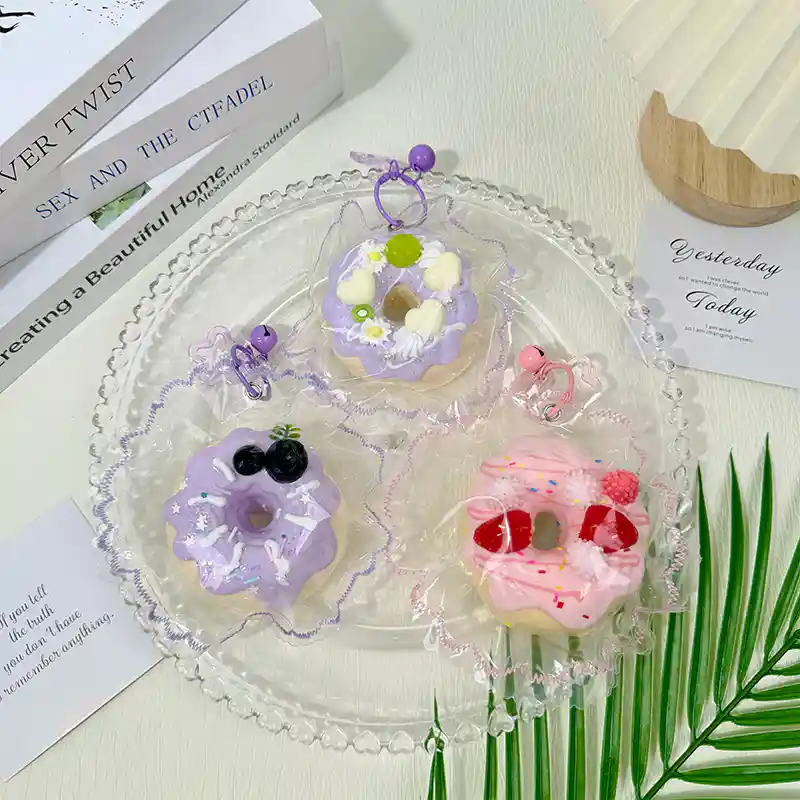
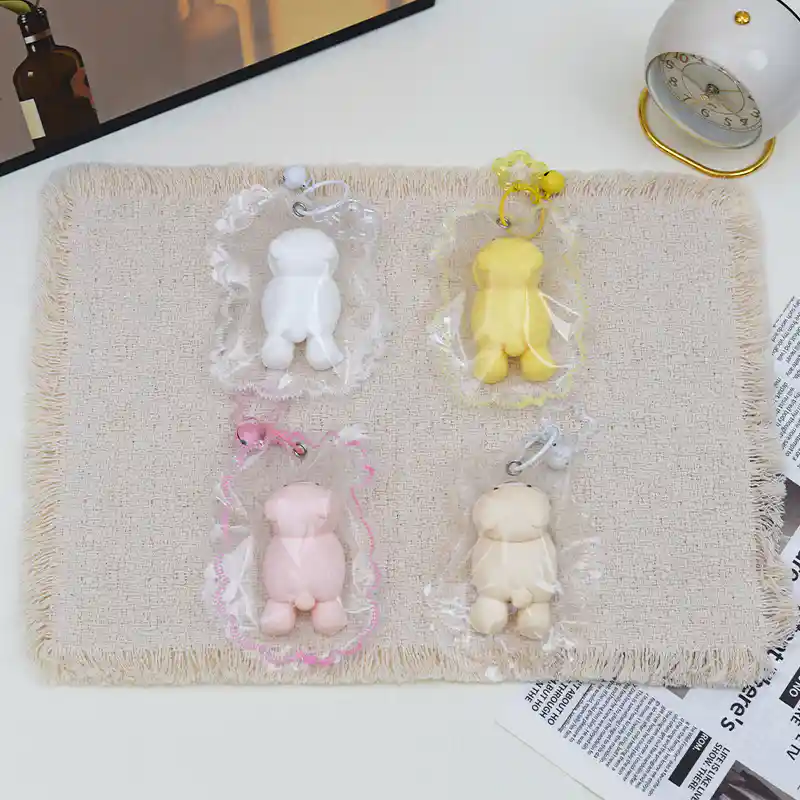
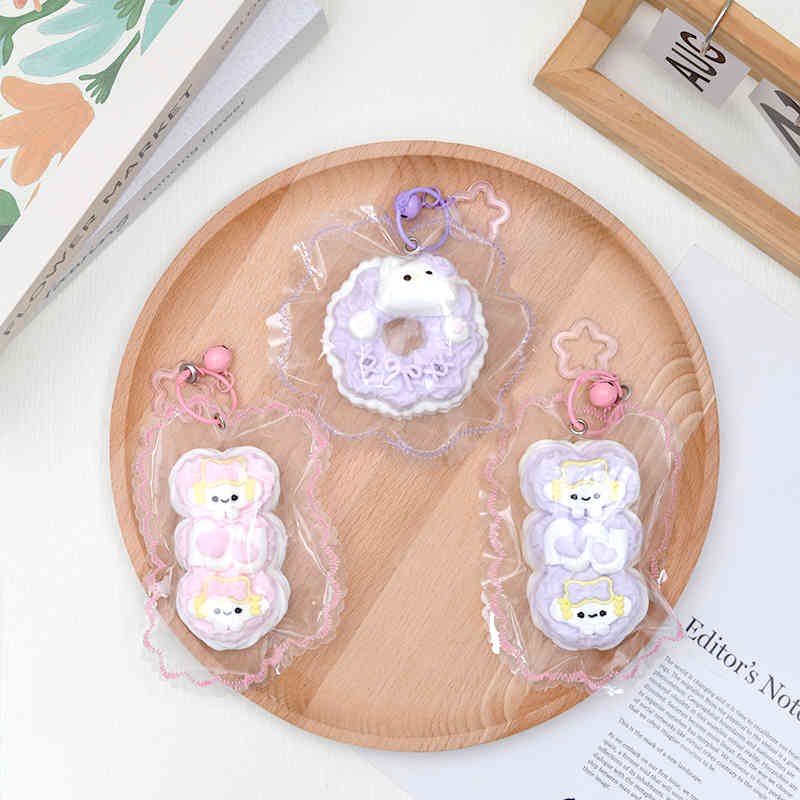
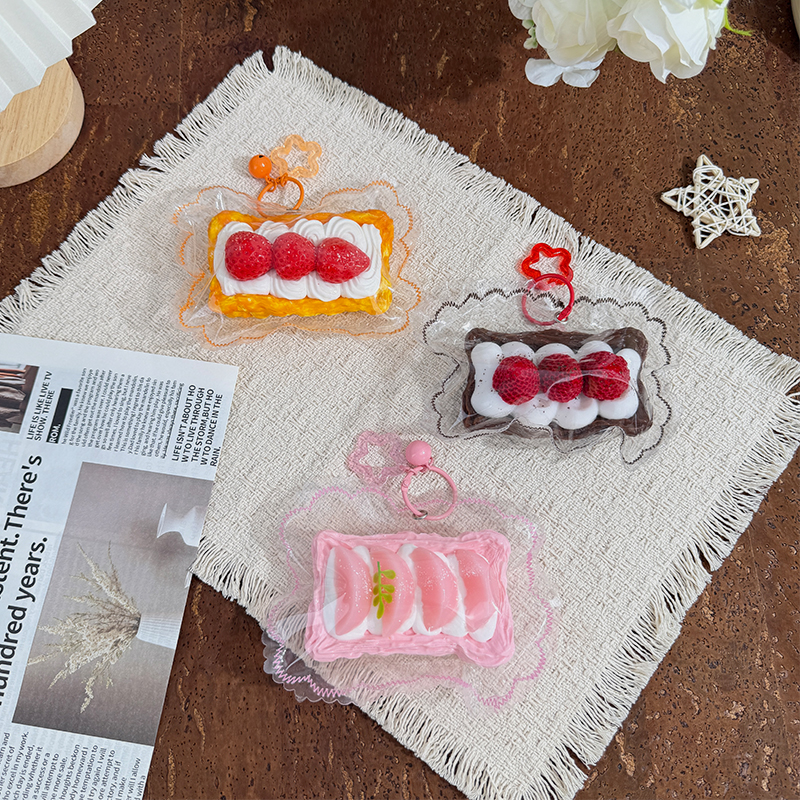
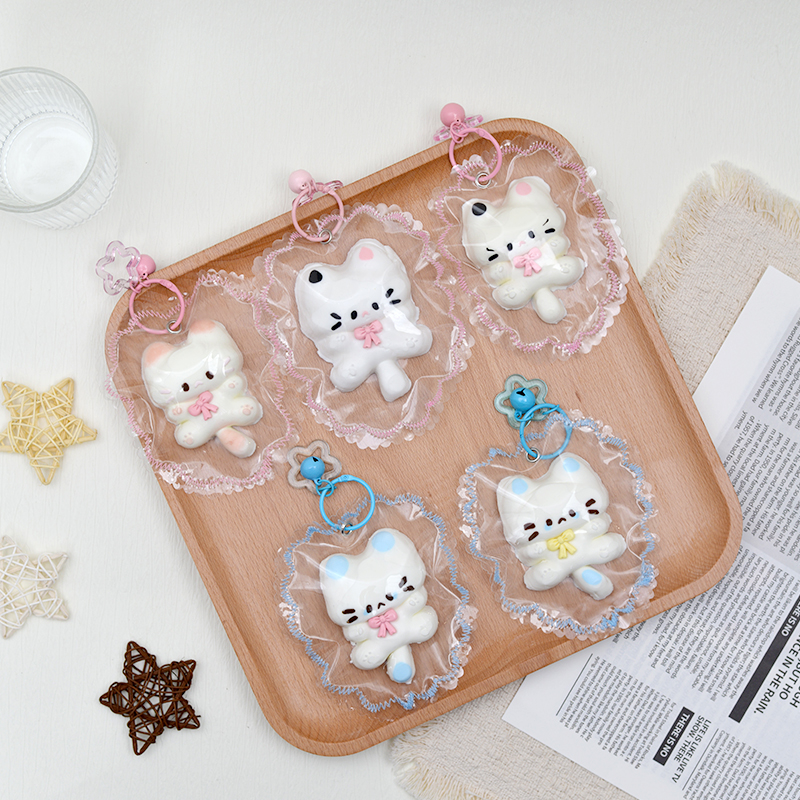
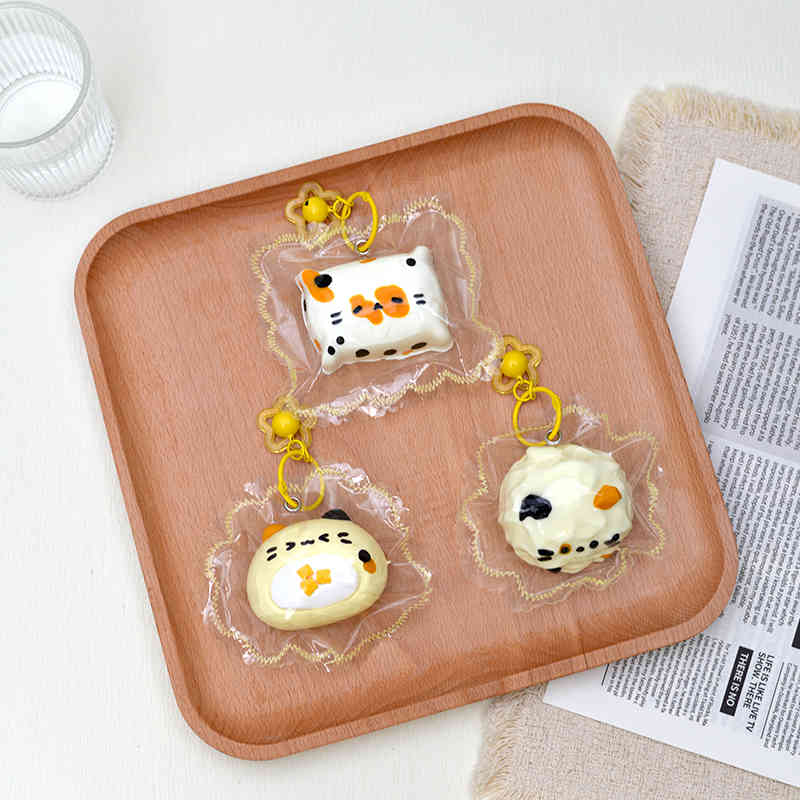
slow rising squishy toys are soft, flexible figures that sink under finger pressure and then return to their original shape over a period of several seconds. The delayed recovery is the defining trait. It separates squishy slow rising pieces from ordinary rubber toys that snap back at once. Behind that simple behavior sits a chain of decisions about foam chemistry, cell structure, skin formulation, mold geometry and finishing technique. This page explains how squishy toys slow rising products are engineered and produced in a factory setting, how their quality is measured, and how to choose the right type for a given use.
Quick Answer: What Are slow rising squishy toys?
slow rising squishy toys are compression-recovery toys made mainly from open-cell polyurethane foam with a thin coated skin. When pressed, air leaves the foam cells and the cell walls collapse. When released, air re-enters through the open cell network at a controlled speed, which produces a visible, gradual rise. A well-made piece takes roughly 3 to 10 seconds to regain full shape, keeps its detail after thousands of presses, and carries no harsh odor or surface tackiness.
Key Facts at a Glance
3–10 sTypical full recovery window for squishy slow rising pieces made from PU foam
0.08–0.20Common foam density range in g/cm³ for slow rising squishy toys
5,000+Press cycles used as a durability reference in internal squishy toys slow rising testing
3–4 wksTypical production run length once the sample is approved
Anatomy of slow rising squishy toys
Every finished piece is a layered object. The inner foam provides the slow recovery, the outer skin provides the look and touch, and the added pigments and fragrance provide the sensory experience. Understanding each layer makes it easier to judge why two products that look identical can feel completely different in the hand.
Open-Cell Foam Core
The core is a low-density polyurethane foam whose cells are interconnected. Air travels between cells when the toy is squeezed. Smaller, more uniform cells give a smoother and longer recovery, while irregular cells cause uneven rising and visible dents that linger on one side.
Coated Skin
A thin elastic layer wraps the foam. It holds the sculpted shape, carries printed or sprayed color, and slightly restricts airflow, which tunes the speed of recovery. A skin that is too stiff pulls the figure back too fast, and one that is too soft tears at the edges.
Pigment and Scent Layer
Toy-grade colorants and fragrance carriers are blended into the coating or applied afterwards. The goal is a bright appearance with stable color that does not rub off on fingers, packaging or surfaces during normal handling.
Sculpted Surface Detail
Seams, textures, glossy highlights and painted facial features come from the mold and the finishing line. Fine detail must survive repeated compression, so features are designed with slightly rounded edges instead of sharp ridges.
Material Systems Compared
Several soft materials are used in the squishy category, but they behave very differently. The table below places the materials side by side so the unique character of slow rising squishy toys is easy to see.
| Material | Recovery Time | Density (g/cm³) | Hand Feel | Typical Weakness |
|---|---|---|---|---|
| Slow-rebound PU foam | 3–10 s | 0.08–0.20 | Plush, cushioned, gradual rise | Sensitive to heat and long-term sunlight |
| TPR soft rubber | 1–2 s | 0.90–1.10 | Stretchy, slightly tacky | Attracts dust, little visible slow rise |
| Silicone | 1–3 s | 1.10–1.20 | Smooth, firm, durable | Heavier, higher material cost |
| Sponge-type foam | 2–5 s | 0.03–0.06 | Light, airy, spongy | Surface crumbs and fast wear |
| Gel-filled shell | Not applicable | 0.95–1.05 | Cool, flowing, wobbly | Leak risk when the shell is punctured |
Foam is the only option in this list that gives a clear, watchable slow rise at a low weight. That is why squishy toys slow rising ranges are built around PU systems, with the other materials reserved for fidget and stress-relief items that do not depend on delayed recovery.
How the Slow Recovery Works
The delayed rise is a mechanical result of airflow and polymer elasticity working together. When a finger presses the toy, the foam cell walls bend and air is pushed out through tiny openings in the cell structure and through the skin. After release, the polymer chains try to return to their relaxed position, but the foam can only expand as fast as air can flow back inside. Narrow passages between cells slow this inflow, and that slowdown is what the eye sees as a gentle, steady rise.
Three variables control the curve: the cell size, the degree of cell opening and the stiffness of the skin. Adjusting any one of them moves the whole curve left or right. The chart below compares three recovery profiles after a press to roughly 70 percent deformation.
Recovery Curve After a 70% Press
100%75%50%25%0%
0 s2 s4 s6 s8 s10 s12 s
Standard slow rising squishy toys (about 5 s) Extended-recovery premium foam (about 10 s) Fast-rebound TPR piece (about 1.5 s)
The orange curve is the profile most users expect from squishy slow rising products: a smooth climb that finishes in under ten seconds. The dark curve shows an extended-recovery formula for collectors who enjoy a long, dramatic rise. The grey curve shows how quickly a rubber piece returns, which explains why it feels bouncy but not slow.
From Sculpt to Finished Piece: The Production Flow
Factory production of slow rising squishy toys follows a fixed sequence. Each step has its own inspection point, so problems are caught early instead of being discovered on the finished piece.
1
Concept Sketch and Digital Sculpt
The idea is drawn from several angles, then turned into a 3D model. Thickness, curvature and the position of features are checked against the foam's expected shrinkage so the final product matches the artwork.
2
Mold Fabrication
Aluminum or steel molds are cut with a controlled surface finish. Vent paths are placed where air tends to get trapped, which prevents voids and pinholes inside squishy toys slow rising pieces.
3
Foam Formulation and Mixing
Polyol, isocyanate, catalysts, surfactants and blowing agents are metered by weight. A small shift in catalyst balance changes how fast the foam gels, which in turn changes cell size and recovery time.
4
Pouring and Curing
The mixed liquid is injected into the warmed mold, where it expands and fills every cavity. Mold temperature and cure time are logged for each batch so results can be repeated exactly.
5
Demolding and Trimming
Pieces are released after the foam has built enough strength. Flash is removed by hand, and the parting line is smoothed so it does not show after painting.
6
Skin Coating and Decoration
Coating, spray color, hand painting or printing is applied in thin layers. Thin layers protect the recovery speed, since a heavy coat would restrict airflow and slow the rise too much.
7
Aeration, Inspection and Packing
Finished pieces rest in ventilated racks so residual odor dissipates. They are then sampled for recovery time, appearance and surface condition before being sealed in packaging.
Mold Design Choices That Shape Recovery
Mold geometry affects more than appearance. The same foam can feel plush in one shape and stiff in another, so the design stage deserves as much attention as the chemistry.
Wall Thickness
Thicker sections hold more air and rise more slowly, while thin sections such as ears, tails and petals recover quickly. A balanced design keeps these differences small so the figure rises evenly instead of in stages.
Surface Texture
Fine texture such as fur, bread crumb or fruit seeds is cut into the cavity surface. Deep texture can trap coating and create dull patches, so depth is limited to what the finishing line can reach cleanly.
Parting Line Position
The seam is hidden in natural folds, such as under an arm or along a leaf edge. This keeps the visible surface clean and avoids a hard line that could split after repeated squeezing.
Surface Finishing and Scent Systems
Finishing turns a plain foam body into a collectible-looking product. Each technique changes the look, the touch and sometimes the recovery speed, so the right choice depends on the effect wanted.
| Finishing Method | Visual Result | Effect on Recovery | Best Suited For |
|---|---|---|---|
| Airbrush gradient | Soft blended color transitions | Very low | Fruit, dessert and animal shapes |
| Hand painting | Detailed faces, patterns and highlights | Low | Characters with expressive features |
| Glossy topcoat | Shiny, glazed appearance | Moderate if applied thickly | Candy, glazed bread and jelly styles |
| Matte soft-touch coat | Velvety, fingerprint-resistant surface | Low | Plush-style animals and pastel designs |
| Glitter and shimmer layer | Sparkle under light | Low to moderate | Fantasy and festival themes |
| Microcapsule fragrance | Scent released when pressed | None | Scented squishy slow rising series |
Scent deserves special care. Fragrance that is simply sprayed on fades within days, while microcapsules release aroma gradually over weeks. The fragrance must also stay mild, because a strong smell is one of the most common reasons users reject otherwise well-made slow rising squishy toys.
Quality Inspection Items and Pass Criteria
Inspection combines measurement with visual judgment. The items below are checked on samples drawn from every batch, and results are recorded against the batch number so they can be traced later.
| Inspection Item | Method | Reference Requirement |
|---|---|---|
| Recovery time | Press to 70% deformation, time the return to original height | Within the approved range for the model, usually 3–10 s |
| Foam density | Weigh a cut sample of known volume | Within ±10% of the approved sample value |
| Surface condition | Visual check under daylight-type lighting | No cracks, bubbles, bare patches or heavy flash |
| Color consistency | Side-by-side comparison with the approved master piece | No visible shade drift between pieces |
| Rub resistance | Wipe with a dry and then a damp cloth | No color transfer to the cloth |
| Repeated compression | Mechanical pressing for several thousand cycles | Shape retained, no surface splitting |
| Odor evaluation | Panel smell check after the ventilation stage | Mild, no solvent or chemical sharpness |
Shape Recovery Retained After Repeated Pressing
Typical values for a well-cured PU piece with a thin coating. Heavier coatings and lower-density foams reduce the retained percentage.
Safety and Compliance Checklist
Because squishy toys slow rising products are handled by children, material safety is checked against recognized toy regulations. The following test areas are normally covered before a model is released for production.
| Test Area | What Is Examined | Common Reference |
|---|---|---|
| Mechanical and physical | Small detachable parts, sharp edges, tear strength of the skin | EN 71-1, ASTM F963 |
| Flammability | Burning rate and self-extinguishing behavior | EN 71-2, ASTM F963 |
| Migration of elements | Lead, cadmium, chromium, mercury and similar elements | EN 71-3, ASTM F963 |
| Plasticizers | Phthalate content in coatings and soft components | REACH, CPSIA |
| Formaldehyde and dyes | Residues in foam and colored layers | EN 71-9, EN 71-10 |
| Fragrance allergens | Declared allergen content in scent systems | EN 71-5, regional cosmetic-style limits |
Documentation matters as much as the tests themselves. Each model keeps a record of raw-material batches, formulation sheets and test results, which allows any finished piece to be traced back to its materials.
Product Range Built Around Different Experiences
Not every squishy slow rising piece is aimed at the same kind of user. The range below is grouped by theme, and each group is tuned for a different mix of size, recovery speed and surface character.
Dessert and Bakery Series
Buns, cakes, toast, pastries and ice-cream shapes with airbrushed golden tones and soft-touch coating. The recovery is tuned to a medium 4–6 seconds, which suits quick desk play.
Fruit and Garden Series
Peaches, strawberries, citrus slices and flower shapes with glossy highlights and mild fruity scent. Thicker bodies give a longer, more noticeable rise.
Animal Companion Series
Cats, rabbits, bears and ocean animals with hand-painted faces. Rounded forms and plush matte finishes make these the most giftable pieces in the range.
Jumbo Comfort Series
Large-format pieces for two-handed squeezing, with a density chosen to give a slow, dramatic 8–10 second recovery that is easy to watch.
Mini Collectible Series
Pocket-size figures sold in themed sets, with a faster 3–4 second rise and detailed painting designed for display and swapping.
Glow and Shimmer Series
Pieces carrying a glitter layer or a light-charging pigment that glows softly in the dark, adding a visual effect to the tactile one.
Size, Weight and Hand-Feel Guide
Size changes how a piece feels more than most people expect. The table below shows how common formats differ so the right scale can be matched to the intended use.
| Format | Approx. Height | Approx. Weight | Recovery Character | Typical Use |
|---|---|---|---|---|
| Mini | 4–6 cm | 8–20 g | Quick and light | Pocket play, collectible sets |
| Standard | 8–12 cm | 25–60 g | Balanced, easy to see | Desk use, gift items |
| Large | 14–20 cm | 70–150 g | Slow and cushioned | Comfort squeezing |
| Jumbo | 22–30 cm | 160–300 g | Very slow, dramatic rise | Display and two-hand play |
Custom Development Workflow
Many collections begin as an original character or a themed concept. The factory handles the technical translation from artwork to a physical, tested piece, and the timeline below shows how long each stage normally takes for a new model.
Typical Duration of Each Stage, in Weeks
What a Good Design Brief Contains
Target size, desired recovery time, color references, scent preference, surface feel and packaging style. The more precise the brief, the fewer sampling rounds are needed before approval.
What Happens During Sampling
Two or three trial pours are compared against the brief. Recovery time, color and detail are scored, and the formulation is adjusted before the final master sample is signed off.
Troubleshooting Common Defects
Most defects in squishy slow rising production can be traced to a small number of causes. Knowing the pattern helps the factory correct problems quickly and helps users recognize quality differences.
| Defect | Likely Cause | Corrective Action |
|---|---|---|
| Recovery too fast | Cells too closed or skin too stiff | Adjust surfactant level and thin the coating |
| Recovery too slow or stalls | Cells too fine or coating too heavy | Reduce coating weight and revise catalyst balance |
| Pinholes on the surface | Trapped air during pouring | Add vents and slow the injection speed |
| Surface cracking | Brittle skin or excess heat during curing | Soften the coating and lower the cure temperature |
| Color rubbing off | Insufficient bonding or under-cured paint | Extend the drying time and add a protective topcoat |
| Yellowing over time | Light and heat exposure of the foam | Use a light-stable formulation and add protective packaging |
| Sticky surface | Residual uncured material or humid storage | Lengthen the ventilation stage and control humidity |
Packaging, Storage and Shelf Life
PU foam reacts to its environment, so packaging is part of product quality. Sealed bags protect scent and keep dust off the coating, while an inner support card prevents flattening during transport. Cartons are stacked with limited height so pieces at the bottom are never held in compression for weeks. A storage area kept between 10 and 28 degrees Celsius with moderate humidity keeps the foam stable for a long time.
Temperature Range
Keep storage between 10 and 28 degrees Celsius. Heat above this range accelerates yellowing and softens the coating.
Humidity Range
Moderate humidity prevents a sticky surface. Very damp air is absorbed by the open cells and slows the recovery.
Stacking Limit
Cartons are stacked at limited height, which prevents long-term compression and permanent flattening of lower layers.
Care, Cleaning and Everyday Use
With sensible handling, slow rising squishy toys keep their shape and color for a long time. These practices make the biggest difference to lifespan.
- Wipe the surface with a slightly damp soft cloth and let it air dry. Avoid soaking, because open-cell foam holds water and dries slowly.
- Keep pieces away from windows and heaters. Direct sunlight fades pigments and makes the foam brittle.
- Press with the pad of the finger or the palm. Fingernails and sharp objects scratch the skin and create weak points.
- Store pieces flat in a cool drawer or box with nothing heavy on top, which keeps the original shape intact.
- Keep away from oils, hand cream and solvents, since these can soften the coating and attract dust.
- Supervise young children, and do not allow biting or tearing, since small fragments should never be swallowed.
Frequently Asked Questions About slow rising squishy toys
How long should slow rising squishy toys take to rise?
Most quality pieces recover in 3 to 10 seconds after being pressed to about 70 percent deformation. Larger and thicker figures usually sit at the longer end of that range.
Why does one squishy slow rising piece rise faster than another?
Recovery speed depends on cell size, how open the cells are, the thickness of the coating and the shape of the figure. Small changes in any of these variables shift the speed noticeably.
Are squishy toys slow rising products safe for children?
Pieces made to recognized toy standards are tested for small parts, flammability, element migration and chemical limits. Children under three should still use them with adult supervision.
Why does the scent fade over time?
Fragrance molecules gradually escape from the coating. Microcapsule systems last longer than surface sprays, and sealed storage slows the fading further.
Can the toys be washed with water?
Light surface cleaning with a damp cloth is fine. Full immersion is not recommended, because water enters the open cells and takes a long time to leave.
What causes a squishy to stay dented?
A permanent dent usually means the foam cells have been over-compressed for a long period, or the coating has been damaged. Gentle warming at room temperature sometimes helps minor cases.
Can a custom design be made from an original drawing?
Yes. A drawing or reference image is converted into a 3D model, approved, molded and sampled. The recovery time, size and finish are all set during the sampling stage.
How can the quality of a finished piece be judged quickly?
Press it and watch the rise: it should be smooth and even. Then check for a mild smell, clean edges, uniform color and a surface that does not feel sticky or leave color on a cloth.