
 English
 中文简体
 日本語
 한국어
 Español

- Type:
- Industry News
- Date:
- 2026-Oct-28
Content
- 1 Are Squishy Toys Safe for Kids? What Parents and Buyers Should Check First
- 2 Most Common Safety Concerns with Squishy Toys
- 3 What Materials Are Safe and What Materials Raise Red Flags
- 4 How to Choose Age-Appropriate Squishy Toys
- 5 Safety Standards and Certifications That Matter
- 6 Real Incidents: Why Some Squishy Toys Burned or Leaked
- 7 How to Test a Squishy Toy at Home or in a Store
- 8 Cleaning and Maintenance of Squishy Toys
- 9 Can Squishy Toys Be Used by Children with Sensitive Skin or Allergies?
- 10 Benefits of Squishy Toys Beyond Fun
- 11 Why Cheaper Squishy Toys Are More Likely to Fail Safety Tests
- 12 How to Buy Squishy Toys in Bulk Without Compromising Safety
- 13 Squishy Toys in Hot Weather: Risks and Safe Practice
- 14 What Parents Should Know About Squishy Toy Recalls and Warnings
- 15 How Squishy Toys Are Manufactured and Where Safety Is Built In
- 16 Are Scented Squishy Toys Safe?
- 17 Squishy Toy Size Chart and Recommended Dimensions
- 18 Differences Between Authorized and Counterfeit Squishy Toys
- 19 What to Do if a Squishy Toy Starts Cracking or Leaking
- 20 Safety Testing Data: What a Typical Report Looks Like
- 21 How Squishy Toys Compare with Other Sensory Toys
- 22 Answering Common Questions from Parents and Buyers
- 23 Why a Factory's Transparency Matters for Product Safety
- 24 Final Checklist Before Buying a Squishy Toy for a Child
Are Squishy Toys Safe for Kids? What Parents and Buyers Should Check First
Squishy toys are soft, slow-rebounding silicone or polyurethane objects shaped like animals, desserts, or food. They are sold in nearly every toy store and online marketplace, and many parents ask whether they are actually safe for children. The direct answer is: a squishy toy is safe only when its material, construction, size, and intended use match the child's age and behavior. Certified silicone squishy toys from a manufacturer that follows international toy safety standards are generally safe for children over three years old, as long as they are not chewed, bitten, microwaved, heated, or punctured. The risk comes from low-quality materials, unsafe fillers, small parts, counterfeit products, and improper use—not from the squishy toy category itself.
Most Common Safety Concerns with Squishy Toys
Parents and retail buyers often ask about three specific risks: choking on small parts, chemical exposure from unknown materials, and burns from overheated gel toys. Below is a clear breakdown of what happens in real scenarios, and what actually causes problems.
| Concern | What causes it | Which age group is at risk | Prevention |
|---|---|---|---|
| Choking | Small parts, detachable eyes, broken pieces, or the whole toy if it fits in the mouth | Children under 3 years old | Choose toys larger than 3 inches in diameter, no detachable pieces |
| Chemical exposure | Non-food-grade plasticizers, phthalates, heavy metals, or unknown inks on surface | Any child who mouths or bites the toy | Check FDA, LFGB, SGS, CPC, EN71 certifications |
| Burns | Heating squishy toys in microwave, leaving them in hot car, or exposing to high heat | All ages, especially children who follow viral internet challenges | Never microwave, never leave in direct sunlight or vehicle |
| Leaking contents | Water beads, gel, sand, or liquid inside a torn or burst outer layer | Children who bite, squeeze hard, or puncture the toy | Inspect regularly, discard if surface cracks or leaks |
| Mold growth | Moisture inside cheap gel toys, or wet storage | All children, especially those with allergies | Wash with mild soap, dry fully, avoid airtight humid storage |
The conclusion from safety incidents is consistent: squishy toys themselves are not inherently dangerous. The danger comes from poor manufacturing, counterfeit copies, and unsafe play habits. For a factory-made silicone squishy toy that passes international certification, the material is stable, non-toxic, and designed specifically for squeezing and stress relief.
What Materials Are Safe and What Materials Raise Red Flags
Knowing what a squishy toy is made of helps you make a fast safety decision. The safest options use food-grade silicone, which is odorless, heat-resistant, free of BPA and phthalates, and able to pass FDA or LFGB food contact standards. Many high-end squishy toys use this material because it returns to its original shape slowly and does not degrade when squeezed repeatedly.
Food-grade silicone squishy toys
Safe silicone squishy toys are made from platinum-cured or peroxide-cured silicone. They feel smooth, do not contain oil fillers, and have no chemical smell. In our factory, silicone squishy toys are produced by mixing liquid silicone with a curing agent, then injection molding at around 120°C, which creates a stable elastic structure. The finished product is then cleaned and tested for volatile organic compounds (VOCs), heavy metals, and physical strength. Silicone can withstand repeated squeezing, washing, and moderate bending without tearing, so it is considered the safest material for kids over three.
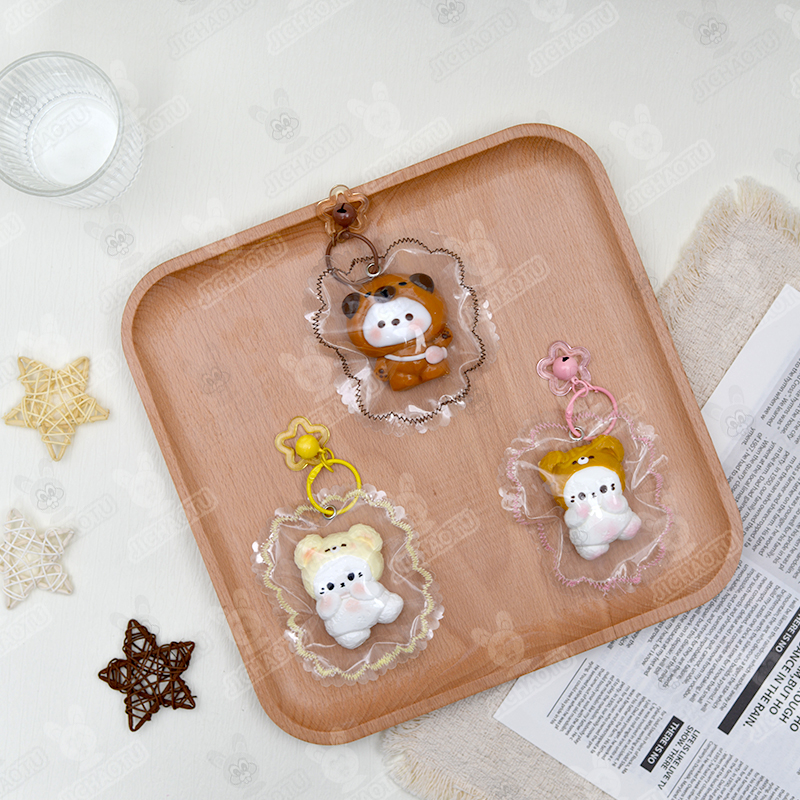
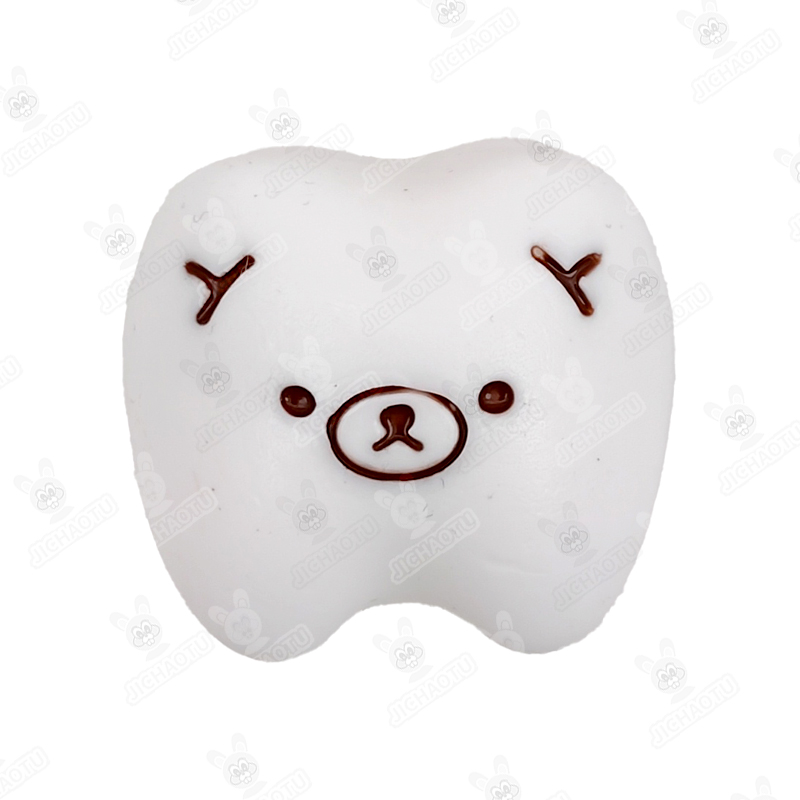 Relax Bear Food-Grade Silicone Squishy KeychainsThese cute bear-shaped squishies are made of food-grade silicone, offering a safe, slow-rebound squeeze with keychain charm—ideal for stress relief on the go.View Product →
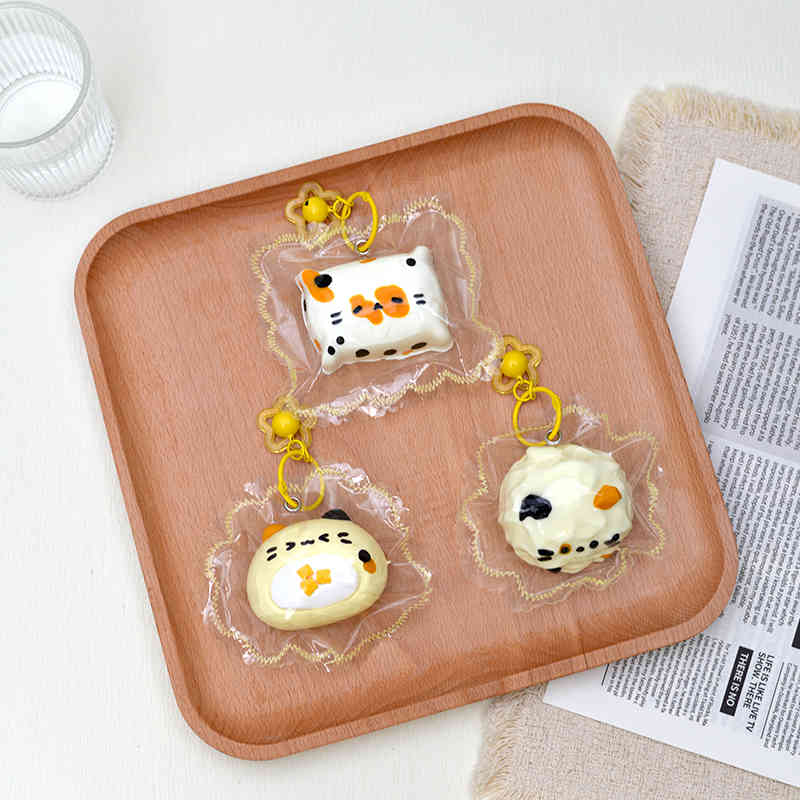
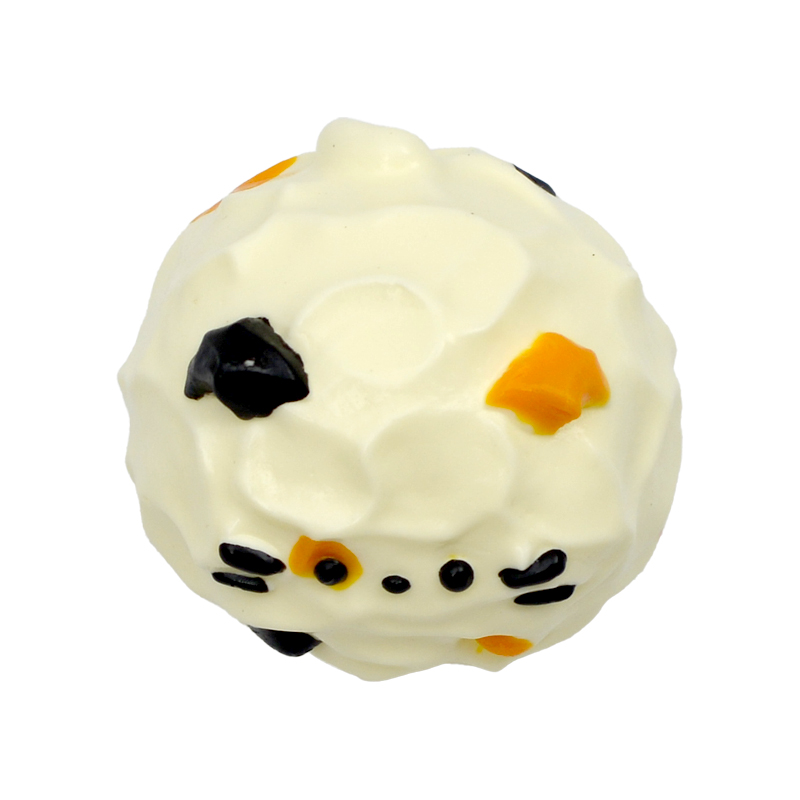 Cat Pillow Squishy Silicone Stress-Relief CharmsSoft cat-themed silicone squishies with slow-rebound texture and flower keychains—safe, washable, and perfect for desks, bags, or study breaks.View Product →
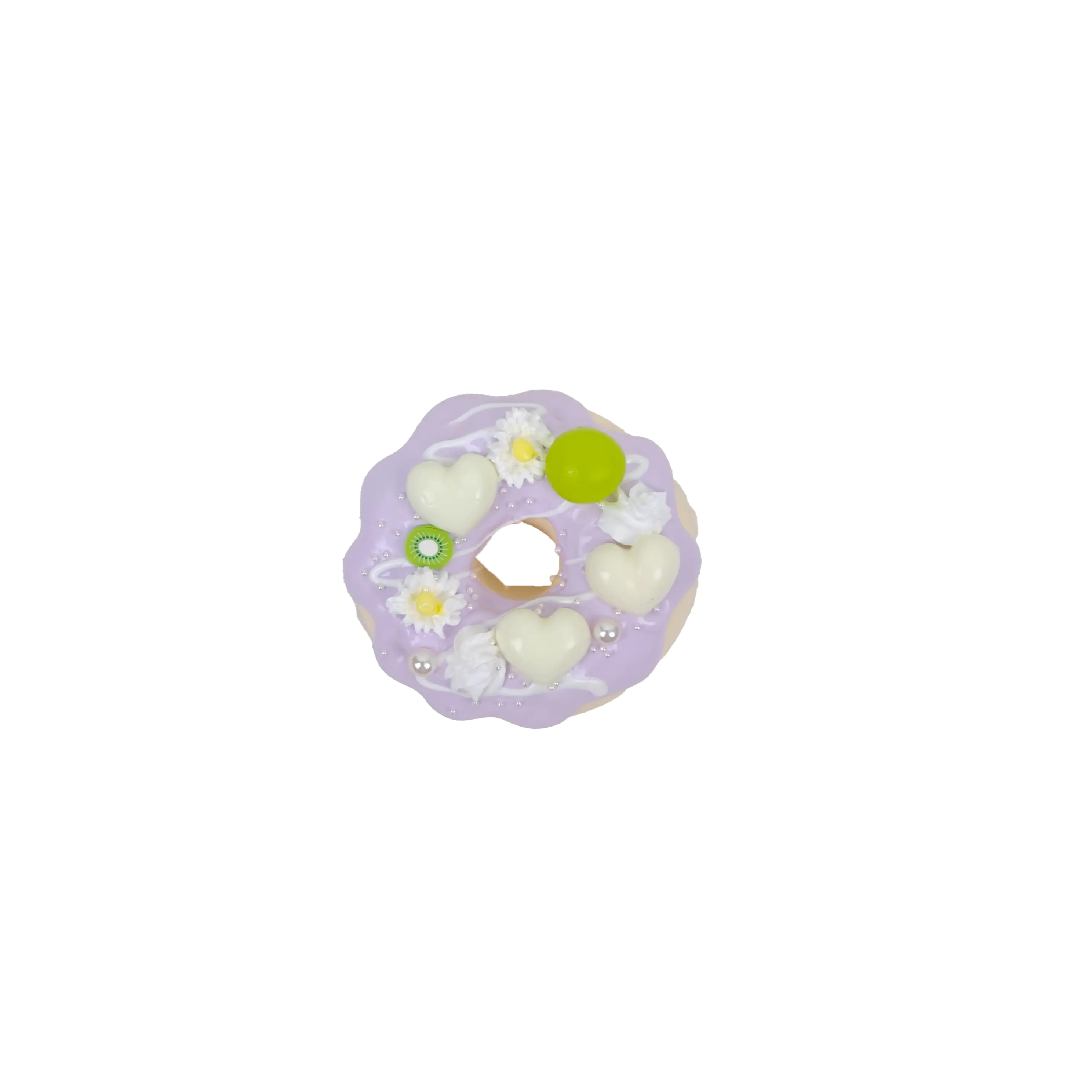 Donut Squishy Dessert-Themed Silicone Charm SetRealistic donut-shaped silicone squishies with keychain and bell, offering odor-free, durable slow-rebound texture—great for stress relief and gifting.View Product →
Polyurethane foam squishy toys
Polyurethane (PU) foam squishies are lightweight, slow-rebounding, and often shaped like bread, cake, or fruit. High-quality PU foam uses a closed-cell structure that does not absorb water and does not easily tear. However, some low-end PU foam toys are produced with toluene diisocyanate residue or other unreacted chemicals, which can create a strong chemical odor. The odor itself is a warning sign. If a squishy toy smells like strong plastic or gasoline, it may not have been cured properly. Safe polyurethane squishy toys should have a slight, almost invisible smell that disappears within a few days of airing.
Gel-filled and liquid-filled squishy toys
Some squishy toys contain gel, water beads, sand, or liquid inside a thin outer cover. These are often marketed as stress balls or squishy stress toys. The outer layer can be silicone, rubber, or thin plastic. The risk is not from the material, but from the fact that the outer cover can break if bitten or punctured. If the content is liquid or gel, it may spill into the child's mouth or eyes. Therefore, gel-filled squishy toys are not recommended for children under three, or for any child who still puts objects in their mouth.
What should you avoid when buying squishy toys
- Strong chemical smell: indicates unreacted monomers or plasticizer migration.
- Sticky or oily surface: plasticizer or oil blooming, common in low-cost PU foam.
- Detachable eyes, ribbons, buttons: choking hazards.
- Rips, cracks, or peeling surface: the toy may leak content or develop sharp edges.
- Unbranded and uncertified products sold at very low prices: often counterfeit and not tested.
How to Choose Age-Appropriate Squishy Toys
Age is the most important factor in deciding whether a squishy toy is safe. The same toy that is perfectly safe for a 7-year-old may be dangerous for a 2-year-old. The table below summarizes age-based selection criteria based on our production experience and international toy standards.
Under 3 years
Avoid squishy toys entirely if they are smaller than 5 cm in any dimension. No gel-filled, liquid-filled, or water bead toys. No detachable parts. If a squishy toy is larger than a child's fist and made of solid silicone, it may be acceptable under supervision, but the safest choice is to wait until age 3.
Ages 3–6
Choose solid silicone or high-quality PU foam toys that are at least 6–8 cm wide. Ensure no small appendages can be pulled off. Check that the toy has not been made with added fragrances. Many cheap squishy toys use artificial scents that are not tested for long-term skin contact.
Ages 6+
Most certified squishy toys can be used normally. Still, avoid toys that are deliberately designed to be bitten. Also avoid microwaving or heating, regardless of what online videos claim. Even food-grade silicone is not meant for microwave play by children.
Safety Standards and Certifications That Matter
When a squishy toy is sold in a regulated market, it must meet safety standards before entering stores. But many online sellers bypass these requirements. Knowing which standards apply to squishy toys helps buyers quickly filter out unsafe products.
International standards commonly required for squishy toys
- ASTM F963 (United States): physical, chemical, and flammability testing.
- CPSIA (U.S. Consumer Product Safety Improvement Act): limits lead and phthalates in children's products.
- EN71 (European Union): mechanical and chemical safety for toys.
- CE marking (EU): indicates conformity with EU safety requirements.
- FDA food contact (for silicone): confirms that silicone is suitable for food contact and contains no harmful migration.
- LFGB (Germany): stricter food-contact testing, covers sensory testing and migration.
- SGS: third-party testing for custom requirements, often including physical stress testing and VOC emission.
- CPC (Children's Product Certificate): a U.S. document confirming that a product meets applicable children's product safety rules.
- REACH (EU): restricts hazardous substances in products.
In our factory, every squishy toy that carries the Jichao Rabbit brand is produced with food-grade silicone and tested to the above standards. We recommend buyers ask for test reports before bulk purchase, not just a general statement of compliance. A reliable manufacturer should be able to provide a certificate that matches the exact product model and the target market's standard.
Safety testing points for a silicone squishy toy
- Physical test: tensile strength, tear resistance, compression set (how well it returns to shape).
- Chemical test: heavy metals (lead, cadmium, mercury, chromium), phthalates, BPA, and VOC.
- Migration test: substances that can transfer from the toy to sweat or saliva.
- Age grading: exact dimensions and small parts certification.
- Flammability test: whether the material ignites and burns within safe time.
- Labeling inspection: warning labels, safety marks, instructions.
Real Incidents: Why Some Squishy Toys Burned or Leaked
In 2026, the U.S. Consumer Product Safety Commission (CPSC) warned again about fake and counterfeit squishy toys. Some of these products were made of unsafe fillers and had a risk of severe burns when heated, torn, or punctured. Water beads were another concern: when placed in a dry environment, they expand many times after absorbing water. If a child swallows a water bead from a broken squishy toy, it can enlarge inside the body and cause intestinal blockage. This is a real, documented risk, not a theoretical one.
However, it is important to note that these incidents come from products that did not pass proper safety testing. A high-quality silicone squishy toy that is solid and has no fillers does not contain water beads, does not expand in the stomach, and does not burn when squeezed. The issue is counterfeit products imitating the visual style of real squishy toys but without the same material quality or testing.
That means when parents or retail buyers choose squishy toys, the brand and manufacturing origin matter more than the category. Buying from a factory with ISO9001 and BSCI certifications, one that publishes its certification details, and one that can show its production process, reduces most safety risks.
How to Test a Squishy Toy at Home or in a Store
You do not need a laboratory to check the basic safety of a squishy toy. A quick inspection at home covers most red flags. Here is a simple checklist used by quality inspectors and parents:
- Squeeze the toy hard and release. It should return to its original shape without cracks, white marks, or sticky residue.
- Stretch the toy gently. Safe silicone should stretch slightly and recover without tearing. PU foam should not crack.
- Smell the toy after keeping it in a sealed bag for 24 hours. Any chemical odor indicates off-gassing.
- Check printed labels or packaging for the manufacturer's name, material, age grading, and certification marks.
- If the toy has a surface printed design, rub it with a damp white cloth. If color transfers, the ink may contain unsafe dyes.
- For gel-filled squishy toys, press with moderate force. If the liquid content moves too close to the surface, that toy is not durable enough for children.
Cleaning and Maintenance of Squishy Toys
Dirty squishy toys can become a breeding ground for bacteria and mold, especially if they are squeezed by many children in a classroom or if stored in a dark backpack. Cleaning is part of safety. Most silicone squishy toys are washable. Use warm water (below 60°C), mild soap, or a diluted baby-safe cleanser. Do not use alcohol or strong solvent because it may degrade the silicone surface. After washing, let the toy dry completely before storing. PU foam toys are more delicate; they can be wiped with a damp cloth and air-dried, but do not soak them for a long time or put them in a washing machine.
It is also important to check for tears regularly. A tiny puncture can allow moisture to enter, and over time mold can grow inside the toy. In our factory's guide on how to clean silicone squishy toys, we recommend inspecting the toy at least once a week, especially if it is used in a school or therapy environment. If the toy smells musty or shows dark spots inside the tear, throw it away. It cannot be safely restored.
For parents who want more detailed cleaning instructions, we have step-by-step cleaning guidance that covers daily and deep cleaning with safe methods.
Can Squishy Toys Be Used by Children with Sensitive Skin or Allergies?
Food-grade silicone is generally hypoallergenic. Because silicone is chemically inert, it does not contain latex or common allergens. However, some children may be sensitive to the dyes used in colored squishy toys, especially if the toy is low-quality and the pigment is not fully encapsulated in the silicone matrix. The same applies to PU foam toys that contain added fragrance or anti-bacterial additives.
If a child has known skin allergies, choose a plain, unprinted silicone squishy toy without scent and with minimal color. Wash it before first use. If a rash occurs after handling, discontinue use and consult a pediatric dermatologist. It is rarely the silicone itself; often it is an additive or coating used by the manufacturer.
Benefits of Squishy Toys Beyond Fun
Safety is not the only factor. Squishy toys are used in many settings, including occupational therapy, school sensory breaks, travel, and anxiety relief. For children who need tactile stimulation, squeezing a soft, slow-rebounding toy can help with focus and emotional regulation. Many teachers and therapists use them as part of a "calm down corner" without it being a distraction. In this context, a safe squishy toy is more than a novelty; it is a functional tool.
From a parenting perspective, the best squishy toys are the ones that can be washed repeatedly, do not crumble, and do not become sticky. Silicone toys last for years, which makes them more cost-effective than foam toys that lose their shape after a few months. For a factory that manufactures both silicone and PU foam squishy toys, we often guide buyers toward silicone for higher durability and safety compliance. The slow rebound feel of silicone is slightly different from the more cushioned feel of PU foam, but the safety margin is worth it for children.
Why Cheaper Squishy Toys Are More Likely to Fail Safety Tests
Price is a reliable indicator in this category. A genuine food-grade silicone squishy toy requires a silicone mold, a curing oven, quality control testing, and certification fees. A low-priced squishy toy sold for under a dollar usually cuts costs by using non-food-grade plasticizers, unknown fillers, or recycled materials. The production process for these cheaper toys may not include proper curing time, which leaves unreacted chemicals inside the material. Over time, these chemicals migrate to the surface and can cause skin irritation or have an unpleasant smell.
For retailers and distributors, buying certified toys from a factory like ours helps avoid product recalls, legal liability, and bad customer reviews. But for individual parents, the key is to check for the certification mark and the manufacturer's claims. If a brand says "food-grade silicone" but cannot provide a test report, it is better to choose a brand that can. As a factory, we publish detailed material and testing information in our silicone squishy safety guide.
How to Buy Squishy Toys in Bulk Without Compromising Safety
Importers and distributors often ask us how they can be sure a batch of squishy toys is safe before placing a large order. The process is straightforward if you ask the right questions:
- Request material declarations for each component: outer silicone, inner foam, paints, and any coatings.
- Ask for test reports according to your target market: EN71 for Europe, ASTM F963 and CPSIA for the U.S., or GB 6675 for China.
- Request a pre-production sample and test it independently if possible.
- Confirm the factory's ISO9001 quality system certification, not just its business license.
- Check if the factory can handle customization without compromising material quality.
- Ask about the production process: what temperature is used for curing, and whether there is a separate QC inspection station.
These questions help you filter out trading companies that simply resell random factory stock. A genuine manufacturer that has its own line and quality control will answer confidently and provide evidence. If a supplier hesitates or says "these are all safe" without documentation, treat it as a warning signal.
Squishy Toys in Hot Weather: Risks and Safe Practice
A frequently overlooked safety topic is what happens when a squishy toy is left in a car, in direct sunlight, or near a heater. Silicone has a high heat resistance (usually up to 200°C or more), but the same is not true for PU foam or gel-filled squishy toys. When PU foam is exposed to high temperatures, it may soften, release residual chemicals, or expand. Gel-filled toys can rupture because the expansion of the gel inside puts pressure on the outer layer. This can cause a burn if the hot gel touches skin.
So the rule is simple: never leave squishy toys in a parked car, on a sunny windowsill, or near a radiator. If a squishy toy feels hot to the touch, let it cool completely before use. This applies to all squishy toys, including silicone ones. While silicone can tolerate heat, the pigments and surface coatings might not. Always store squishy toys in a cool, dry place, out of direct sunlight.
What Parents Should Know About Squishy Toy Recalls and Warnings
When national safety agencies like the CPSC issue warnings about squishy toys, they are usually reacting to specific counterfeit or non-compliant products, not the whole category. Recalls happen when a toy fails to meet a standard, contains a dangerous substance, or has a design flaw. It is important for parents to check recall lists periodically, especially if they bought toys from online marketplaces where third-party sellers may not follow the same safety rules as licensed brands.
In practice, most recalled squishy toys are either very cheaply made PU foam toys with unsafe levels of toluene or other volatile compounds, or gel-filled toys that break easily. The fact that they are on the recall list means the authorities found a specific problem. This is one more reason to choose a supplier that can provide a compliance certificate per batch, and to avoid no-name toys sold in bulk bins.
We have published an independent selection guide for squishy toys that goes into more depth about the types of tests and the difference between safe and risky products.
How Squishy Toys Are Manufactured and Where Safety Is Built In
Safety is not a final inspection step; it starts with material selection and mold design. In our factory, the production of a silicone squishy toy involves six main stages:
- Material preparation: liquid silicone base and curing agent are weighed and mixed under controlled temperature.
- Molding: the mixture is injected into a closed mold under high pressure, giving the toy its shape and surface texture.
- Curing: the molded toy is heated in an oven to cure the silicone fully. Full curing is critical to avoid leftover chemicals.
- Demolding and trimming: excess material (flash) is removed manually or by machine.
- Cleaning: the toy is washed to remove any dust or release agent residue.
- Quality inspection: each product goes through a visual check, size measurement, and a squeeze test. Samples are sent for third-party lab testing per batch.
This process ensures that the toy's material is stable, its shape is consistent, and no sharp or small parts are present. Buyers can learn more about the manufacturing behind squishy toys by reading our factory guide, which explains the differences between materials and how each one affects safety and feel.
Are Scented Squishy Toys Safe?
Scented squishy toys are popular among children, especially those shaped like fruit or dessert. The scent is often added to the material itself or applied to the surface. From a safety perspective, fragrance compounds are not always tested for long-term skin contact. Many artificial scents contain phthalates or other allergens. Some children may experience headaches, dizziness, or skin allergies after prolonged exposure to strong scented toys.
If you choose a scented squishy toy, buy from a brand that provides a material safety data sheet (MSDS) for the fragrance. The scent should be subtle, not overpowering, and should not leave an oily residue on your hand. In high-quality silicone toys, the scent can be added in such a way that it remains stable and does not migrate to the surface. But for safety, we recommend choosing unscented squishy toys for children under 6.
Squishy Toy Size Chart and Recommended Dimensions
Physical size is one of the simplest safety parameters. It also affects how the toy feels when squeezed. Our experience confirms that larger squishy toys are safer for younger children because they cannot be swallowed or lodged in the throat. The following table lists the recommended minimum size for each age range.
| Age group | Minimum width | Minimum height | Recommended product type |
|---|---|---|---|
| Under 3 (only under supervision) | 8 cm | 10 cm | Solid silicone, no fillers, no small parts |
| 3–5 years | 6 cm | 8 cm | Solid silicone or high-quality PU foam |
| 6 years and above | 4 cm | 5 cm | All certified types, including small stress balls |
| Adults | No strict minimum | No strict minimum | Any certified toy |
Keep in mind that size alone does not guarantee safety. A large silicone squishy toy with a printed pattern can still shed ink if printed with poor-quality dye. Always check the surface texture and colorfastness before giving it to a child.
Differences Between Authorized and Counterfeit Squishy Toys
Counterfeit squishy toys are a growing problem, especially on online marketplaces. They copy the design of popular brands but use inferior materials and skip safety testing. Counterfeit products often have strong chemical smell, rough edges, uneven color, and packaging with spelling errors or missing manufacturer information. They are also more likely to contain fillers such as sand, water beads, or unknown gel.
For a parent, the simplest protection is to buy from official brand stores or from retailers that provide a certificate of authenticity. For a retailer, working directly with a manufacturer like ours ensures that the product's origin and materials are traceable. We are comfortable sharing the name of our factory and its location because we are the actual production facility. That kind of transparency is impossible for counterfeit suppliers.
What to Do if a Squishy Toy Starts Cracking or Leaking
If a squishy toy shows any sign of cracking, splitting, leaking, or becoming sticky, stop using it immediately. These signs indicate that the toy is degrading or was not manufactured properly. If a gel-filled toy leaks, wipe the skin area with soap and water and contact poison control if the gel gets into the eyes or mouth. For silicone or PU foam toys, cuts or cracks can expose inner material or create sharp edges. It is better to discard the toy than to risk injury and then try to repair it.
Once a squishy toy has degraded, there is no safe way to restore it. UV radiation, heat, repeated washing with strong chemicals, and natural aging can all break down the material. Most silicone toys can last several years with care, but PU foam and gel toys have a shorter lifespan. Following the water and heat guidelines in this article will extend the toy's life while keeping children safe.
Safety Testing Data: What a Typical Report Looks Like
Below is a simplified representation of the test items included in a typical squishy toy safety report. Actual reports vary depending on the standard and lab, but the categories are similar.
| Test category | Example parameters | Typical requirement | Reason |
|---|---|---|---|
| Heavy metals | Lead, Cadmium, Mercury, Chromium | Below 90 ppm lead (paint) | Protect against chronic poisoning |
| Phthalates | DEHP, DBP, BBP, DINP, DIDP | Below 0.1% | Hormone disruption risk |
| Physical | Small parts test (3.17 cm toy cylinder) | Must not fit entirely in the cylinder | Choking prevention |
| Sharp edges | Radius less than 0.5 mm | No accessible sharp edge | Cuts and puncture wounds |
| VOC emissions | Toluene, benzene, styrene | Below lab detection limit | Air quality and irritation |
| Migration | Saliva and sweat simulant | Substance migration below limit | Skin exposure and mouthing |
When you see a certification logo on a squishy toy, it means these items have been tested by an accredited lab. But a logo printed on the package can be fake. To verify, you can search for the laboratory's reference number on the official certification site. If you are buying in bulk, we recommend asking for a copy of the actual certificate, not just the logo.
How Squishy Toys Compare with Other Sensory Toys
Parents often compare squishy toys with fidget spinners, stress balls, and sensory putty. The safety comparison helps decide which toy is right for a child. Squishy toys are generally more durable than stress balls that contain liquid or gel. They are also less messy than putty or slime. Silicone squishy toys do not leave residue on hands, do not crumble, and can be cleaned easily. PU foam squishy toys are lighter and have a different feel, but they are less washable and can lose shape over time.
From a safety perspective, the main advantage of squishy toys is their simplicity: a solid block of silicone has no moving parts, no batteries, no magnets, and no small pieces. That makes them a safer alternative to many other fidget toys. But just like any toy, supervision and material checks are still required for younger children.
Answering Common Questions from Parents and Buyers
After years of manufacturing squishy toys, we have compiled the most common questions we receive from parents, importers, and retail buyers. The answers reflect both our production experience and the latest safety guidance.
Can squishy toys be chewed by toddlers?
No. Even food-grade silicone toys should not be chewed by toddlers because they are not pacifiers or teething toys. The shape might block the airway if a piece is bitten off. We can design a squishy toy that is large enough to avoid swallowing, but we still recommend not giving any squishy toy to a child who mouths objects.
Are squishy toys toxic if swallowed?
A certified silicone squishy toy is not toxic, but swallowing a piece can still cause choking and digestive blockage. If a child swallows a piece, contact a doctor or poison control immediately. The concern is not material toxicity as much as physical blockage.
Do squishy toys contain latex?
High-quality silicone squishy toys do not contain latex. Some PU foam toys might have latex-based adhesives. If a child has a latex allergy, choose silicone toys and confirm the manufacturing process is latex-free.
Can you microwave squishy toys to soften them?
No. Microwaving squishy toys, especially gel-filled ones, can cause burns and can also alter the chemical structure of the material. Follow the warnings from the CPSC: never microwave a squishy toy. You can read more in our stress relief toy safety article.
Are jumbo-size squishy toys safer?
Jumbo squishy toys are usually safer in terms of choking, but they can still contain unsafe gel or ink. Always check the material regardless of size. A jumbo toy that leaks gel is more dangerous because it can spill a larger amount.
Why a Factory's Transparency Matters for Product Safety
In the toy industry, safety is closely linked to traceability. A factory that allows you to visit its production line, shows you its certifications, and openly shares its testing processes is more likely to produce safe toys. A factory that hides behind vague branding or refuses to reveal its location is a red flag. Our company is open about its manufacturing facility in Yiwu, its 10,000-square-meter plant, and its staff of over 800. We believe that transparency is part of product safety.
When you buy from a factory that designs, molds, cures, tests, and packages its own products, you reduce the risk of counterfeit or tampered batches. Our company news section includes more context about how our factory operates, including our expansion and quality control updates.
Final Checklist Before Buying a Squishy Toy for a Child
We can summarize all the information above into a quick decision checklist. Print it, save it, or share it with other parents. It takes 30 seconds to run through.
- Choose solid silicone over gel-filled or liquid-filled toys for children under 6.
- Verify the toy has no detachable small parts.
- Check for certifications: CE, EN71, ASTM, CPC, FDA, LFGB.
- Smell the toy: no strong chemical odor.
- Squeeze and stretch: no cracking, no sticky surface.
- Do not buy from unknown sellers if the price looks too low.
- Never heat, microwave, or leave squishy toys in a hot car.
- Wash the toy before first use.
- Inspect weekly for tears, leaks, or mold.
- Store in a cool, dry place, out of direct sunlight.
Following these steps will make squishy toys a safe and enjoyable sensory experience for most children. The category itself is not hazardous when manufactured correctly. It is the combination of bad materials, fake products, and unsafe usage that creates problems. As a factory, we continue to recommend parents and buyers choose certified silicone squishy toys from reliable sources, so children can enjoy the soft, soothing feel without unnecessary risk.