
 English
 中文简体
 日本語
 한국어
 Español

- Type:
- Industry News
- Date:
- 2026-Nov-03
Content
- 1 What TPR and PU Foam Actually Are
- 2 Feel: Soft, Springy, or Somewhere in Between
- 3 Rebound Behavior: Why Recovery Time Matters
- 4 Safety: What to Check Beyond the Squeeze
- 5 Durability and Everyday Performance
- 6 TPR vs PU Foam Squishy Toys: A Simple Comparison
- 7 Choosing the Right Material for Your Use Case
- 8 A Manufacturer's Perspective on Material Choice
- 9 Final Takeaway
Two squishy toys can look almost identical in a product photo and still behave like different objects in the hand. One may feel dense and springy, while the other feels airy and slow to rise. For buyers, parents, and product developers, the real question is not which material sounds more premium. It is which material fits the way the toy will be used. This guide compares TPR vs PU foam squishy toys across feel, rebound, safety, and durability, with practical notes on what to ask a supplier before ordering.
What TPR and PU Foam Actually Are
TPR stands for thermoplastic rubber. It is a solid, elastic material that can be molded into detailed shapes, colored, and finished with a smooth or slightly tacky surface. A TPR squishy usually feels denser than foam and has a springy, rubber-like response. It is not the same as silicone, even though both can feel soft in the hand.
PU foam stands for polyurethane foam. It is a cellular material filled with tiny air pockets, which gives it a lighter, spongier character. PU foam can be formulated to rebound quickly or slowly, and it is often used when a soft, slow-rising, memory-foam-like feel is the goal. Neither material name guarantees quality. Density, formulation, curing, and finishing matter just as much as the base material.
In simple terms, TPR tends to behave like a flexible solid, while PU foam behaves like a soft cellular sponge. That structural difference explains most of the feel, rebound, and durability gaps buyers notice.
Feel: Soft, Springy, or Somewhere in Between
Feel is the first difference most people notice. TPR generally offers a firmer, more controlled squeeze. It can mimic the sensation of a gel-filled cushion, but it is solid throughout rather than filled with liquid. The surface may feel smooth, slightly rubbery, or softly matte depending on the finish. TPR also holds fine details well, so facial expressions, clothing, and food textures can look sharp.
PU foam feels lighter and more pillowy. It compresses easily and often has a drier, more powdery touch. Some PU foam squishies feel almost like soft bread or marshmallow, while others are denser and more supportive. The trade-off is precision. PU foam is excellent for a plush, slow-rising sensation, but very fine surface detail may feel softer or less crisp than on TPR.
- TPR feels dense, elastic, and slightly rubbery, with a more immediate pushback.
- PU foam feels light, airy, and spongy, with a softer initial squeeze.
- TPR tends to hold painted detail and sharp sculpting better.
- PU foam tends to feel more like a classic slow-rising squishy.
Temperature matters too. TPR can feel firmer in cool conditions and more flexible when warm. PU foam may also change with temperature, but its cellular structure often makes the change feel more gradual. For sensory use, the better choice depends on whether the user prefers firm feedback or a soft, sinking squeeze.
Rebound Behavior: Why Recovery Time Matters
Rebound is where the TPR vs PU foam squishy toys comparison becomes very practical. TPR usually springs back quickly and consistently. A squeezed TPR toy may recover in a second or two, depending on density and shape. That fast response feels lively and satisfying for fidgeting, but it may not deliver the slow, calming rise that some users want.
PU foam is often chosen for slower rebound. A well-made slow-rising PU foam toy may take several seconds to return to its original shape. A practical range for many slow-rising toys is around three to eight seconds, though two to five seconds can feel calmer and more controllable. If the recovery is too fast, the toy feels restless. If it is too slow, it can feel dead or sticky.
Shape and thickness also affect rebound. A thin arm or small accessory may recover faster than a thick body. A large flat surface may rise more slowly than a small round one. That is why buyers should test a sample in the final shape, not just a flat material swatch. A supplier who understands both material and mold design can tune the rebound more reliably.
Safety: What to Check Beyond the Squeeze
Material name alone is not a safety certificate. A safe squishy toy depends on the full formula, production process, age grading, and labeling. TPR can carry odors from plasticizers or processing aids if the formula is poor. PU foam can retain a chemical smell from blowing agents or incomplete curing. A strong, sharp odor is a warning sign, not a charming “new toy” smell.
For any market, ask for current test reports that match the destination. Common checks include mechanical safety, small parts, phthalates, heavy metals, and material migration. Age warnings matter as well. A squishy toy designed for display or adult stress relief should not be handed to a toddler, especially if it has small parts, painted details, or a soft foam surface that can be torn.
Neither TPR nor PU foam should be treated as a teether or a food-contact item. If a child mouths toys frequently, choose an age-appropriate product with the right labeling and supervision. Food-grade silicone is a different material category, and its safety claims should be backed by specific tests. Buyers comparing materials can review this silicone squishy safety guide for a clearer view of how material claims are verified.
Durability and Everyday Performance
TPR usually has the edge in tear resistance and abrasion resistance. It can survive repeated squeezing, stretching, and handling better than many foams. It also holds its shape well, which helps character toys keep their expressions and silhouettes. However, TPR is not indestructible. Sharp fingernails, heat, sunlight, and certain solvents can damage the surface or make it tacky.
PU foam is more vulnerable to tearing, crumbling, and surface staining. A soft foam toy can lose rebound over time if it is squeezed aggressively or stored under weight. It also tends to pick up dust and lint. Cleaning should be gentle and limited, because soaking foam can damage the cell structure. For both materials, keep toys away from direct sun, radiators, and hot car interiors.
If the toy is a collectible or a display piece, TPR may hold detail longer. If the toy is meant for gentle desk use and slow-rising comfort, PU foam can be perfectly suitable, provided the density and skin are well made. The key is to match durability expectations with realistic use.
TPR vs PU Foam Squishy Toys: A Simple Comparison
| Feature | TPR | PU Foam |
|---|---|---|
| Structure | Solid, elastic rubber-like material | Cellular foam with air pockets |
| Hand feel | Dense, springy, controlled | Light, soft, spongy |
| Rebound | Usually quick and crisp | Often slower and plusher |
| Detail | Holds fine sculpting and paint well | Softer surface, less crisp detail |
| Durability | Good tear and abrasion resistance | More prone to tearing and crumbing |
| Cleaning | Can be wiped more easily | Needs gentle, limited cleaning |
| Safety focus | Odor, plasticizers, age labeling | Curing, odor, foam dust, age labeling |
| Best for | Frequent handling and detailed shapes | Slow-rising calming and soft sensory feel |
Choosing the Right Material for Your Use Case
Use case matters more than material loyalty. For an office desk toy, a slow-rising PU foam squishy can offer a calming, repetitive squeeze. For a keychain or a character collectible that will be handled often, TPR may hold up better and keep its shape. For a retail display piece, consider how the toy will be packaged, shipped, and cleaned by the end user.
For young children, age grading and small-part safety come first. A soft foam toy that sheds or tears may not suit rough play, while a dense TPR toy may be too firm for small hands. For skin-sensitive users or buyers who want a washable surface, food-grade silicone is another option worth comparing. The right answer is the material that matches the user, the price point, and the safety file.
Retailers should also compare odor, surface dust, paint adhesion, and packaging compatibility. A toy that feels great in a sample bag but smells strong after a week in a sealed box is a returns risk. A toy that looks detailed in photos but loses its finish after handling is a brand risk. Test the final product, not just the raw material.
A Manufacturer's Perspective on Material Choice
At our factory in Yiwu, we work with food-grade silicone for slow-rising character toys, and we often discuss material trade-offs with buyers who are also considering TPR or PU foam. The most useful starting point is a clear use case: who will squeeze the toy, how often, and under what conditions. From there, density, surface finish, and safety testing can be matched to the product instead of guessed from a material name.
For buyers who want a soft, character-led slow-rising feel, our silicone range includes options such as the Relax Bear and a teddy bear ice cream cone design. These are not TPR or PU foam products, but they show how material choice, shape, and rebound can be developed together.
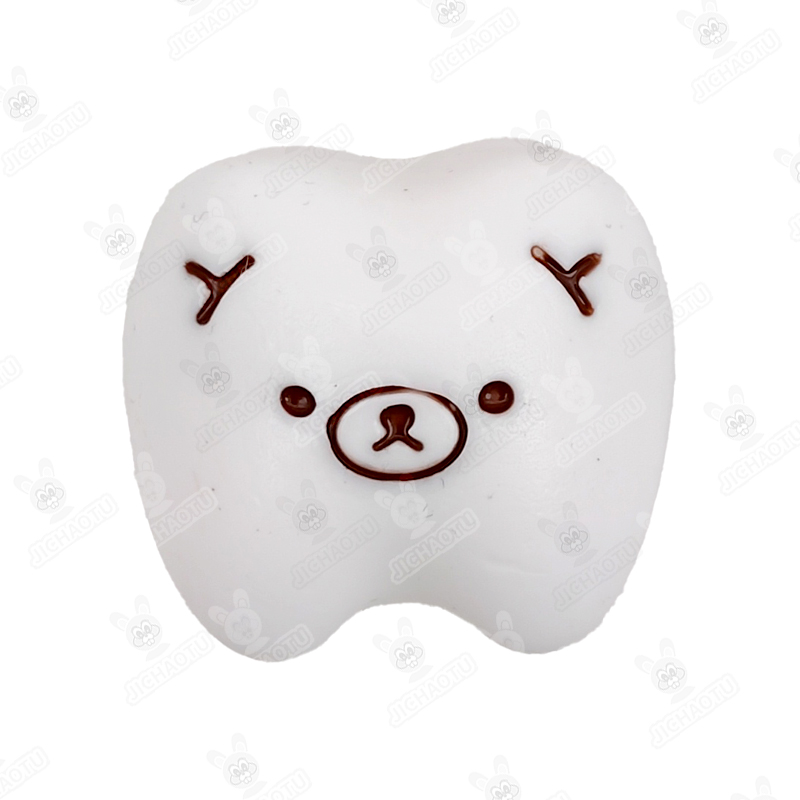 Relax Bear 1 Slow-Rebound Silicone Squishy ToyFood-grade silicone bear squishy with four styles, flower keychain, and gentle slow rebound for stress relief or bag charm use.View Product →
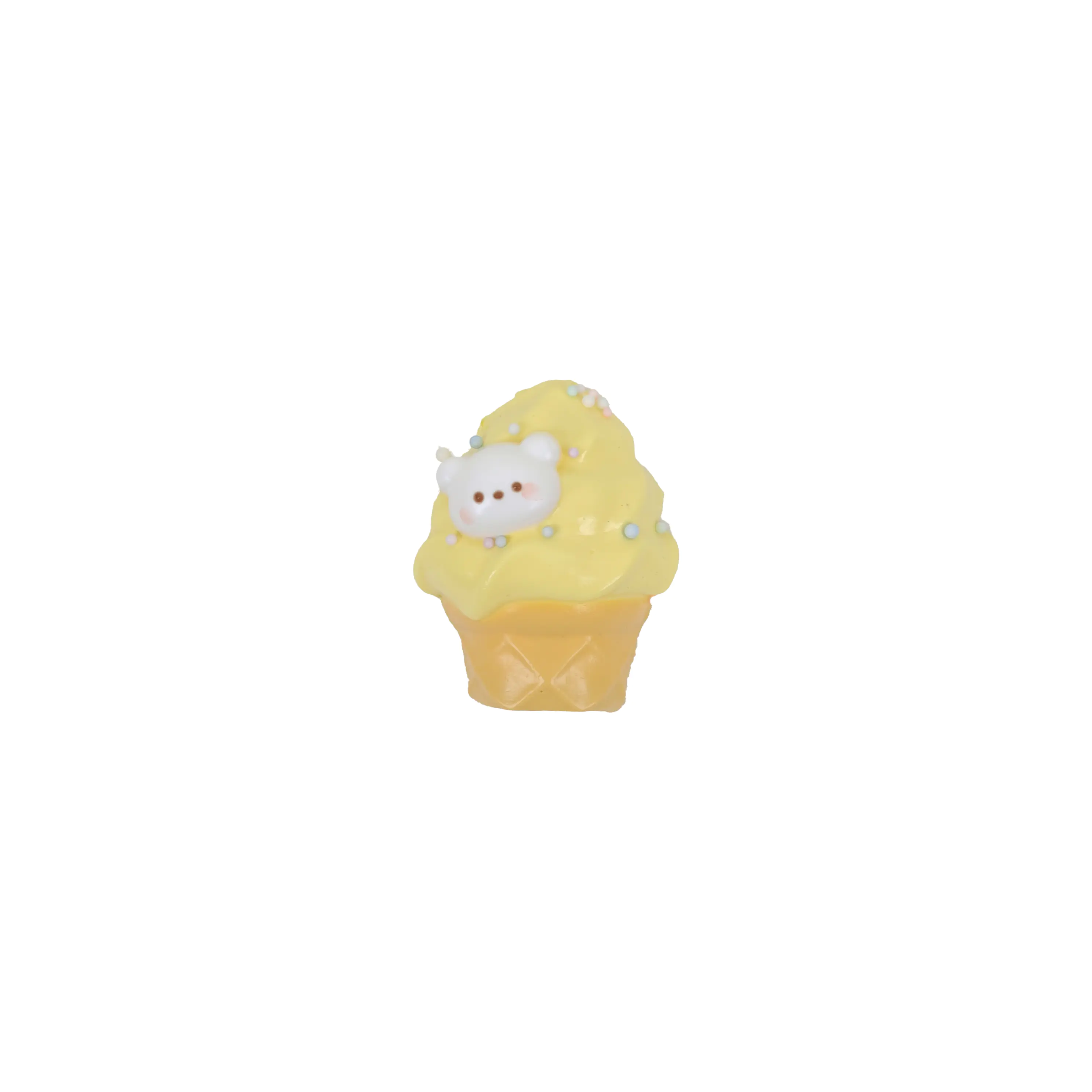 Teddy Bear Ice Cream Cone Silicone SquishyDessert-themed food-grade silicone squishy with slow rebound, hanging ring, and three color models for portable stress relief or display.View Product →
Final Takeaway
TPR vs PU foam squishy toys is not a contest with one universal winner. TPR gives a denser, faster, more durable squeeze with excellent detail. PU foam gives a lighter, softer, slower-rising feel that many users find calming. Safety depends on formulation, testing, age labeling, and honest use, not on the material label alone. Ask for samples in the final shape, check current test reports, and judge the toy by how it actually feels and performs over time.