
 English
 中文简体
 日本語
 한국어
 Español

- Type:
- Industry News
- Date:
- 2026-Nov-10
Content
- 1 Why Sticky Squishy Toys Get Tacky
- 2 Check the Material Before You Clean
- 3 Quick Fix for a Slightly Sticky Surface
- 4 The Gentle Wash That Works for Most Silicone Squishies
- 5 Deep Cleaning When the Stickiness Returns
- 6 Drying and Powdering Without Making It Worse
- 7 How to Prevent Stickiness Between Cleanings
- 8 When Sticky Means It Is Time to Retire the Toy
- 9 A Simple Care Routine That Fits Real Life
A sticky squishy toy feels like a small disaster, especially when it was soft and silky last week. The good news is that tackiness is usually a surface problem, not a sign that the toy is finished. Dust, hand oil, lotion, humidity, and a little plasticizer migration can all leave a film that grabs lint and makes the material feel clammy. The fix is rarely aggressive cleaning; it is gentle washing, thorough drying, and a care routine that suits the material.
Why Sticky Squishy Toys Get Tacky
Stickiness is not one problem. A smooth silicone toy can collect lint because static and hand oils sit on the surface. A flocked toy can mat down and feel sticky because fibers are flattened, not because the core is melting. Heat also matters: a toy left in a hot car or on a sunny windowsill may feel slick even after washing. In our workshop, we see the same pattern across soft sensory toys: the surface tells you what it needs. If you want a deeper look at how different squishy materials are made, our production explainer is a useful next read.
Check the Material Before You Clean
Use the table below as a quick check. It is not a substitute for the maker's label, but it keeps you from reaching for the wrong cleaner.
| Surface | Best first step | Avoid | Drying |
|---|---|---|---|
| Smooth silicone or TPR | Lukewarm water with one drop mild soap; work with fingertips. | Hot water, alcohol, oil-based cleaners, rough scrubbing. | Pat with a lint-free cloth; air dry in shade. |
| Flocked or fuzzy | Brush loose dust; spot-clean with a barely damp cloth. | Soaking, rubbing, heavy soap residue. | Air dry away from heat; brush the pile gently. |
| Foam or soft "butter" texture | Wipe with a damp cloth and dust lightly with cornstarch. | Submerging, squeezing hard. | Air dry fully before storing. |
| Gel, bead, or electronic | Wipe the outside only; check seams first. | Soaking, wringing, dishwasher. | Air dry upright; never use heat. |
Quick Fix for a Slightly Sticky Surface
If the toy is only a little tacky, start with a dry fix. Wash and dry your hands, then dust the surface with a small amount of cornstarch. Work it in gently with your fingertips, let it sit for a few minutes, and brush off the excess with a soft brush. Cornstarch absorbs oil and reduces that clingy feel without adding water. For flocked toys, a tiny amount of dry shampoo can refresh the fibers, but test a hidden spot first and brush out any residue. Skip talc around young children, and never use cornstarch on a wet toy, because it will turn into a paste.
The Gentle Wash That Works for Most Silicone Squishies
For smooth silicone or TPR, a short hand wash is usually enough. Fill a bowl with lukewarm water, add one drop of mild dish soap or hand soap without moisturizers, and work the surface with your fingertips. Do not scrub with a rough sponge. Rinse for at least 30 to 60 seconds so no soap film remains, then press the toy between a clean towel to remove excess water. Never twist or wring it. If the toy has a glued plug, a scent chamber, or a bead filling, wipe it with a damp cloth instead of soaking it.
For a smooth, sealed silicone piece, this gentle routine is often all you need. Our Stress Relief Bowknot Puppy style, for example, has a wipeable surface that tolerates a quick wash far better than a deep flocked finish.
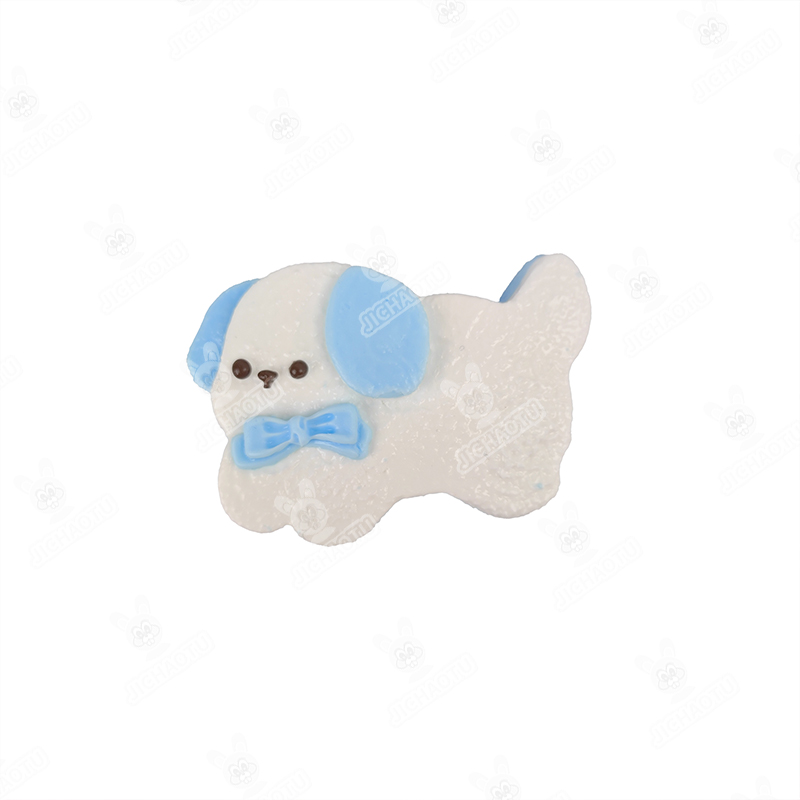 Stress Relief Bowknot Puppy Silicone Squishy ToyA food-grade silicone puppy squishy with a wipeable smooth surface, six bowknot styles, and slow rebound for stress relief or portable decoration.View Product →
Deep Cleaning When the Stickiness Returns
Sometimes the first wash removes dirt but leaves a tacky film. That film may be soap residue or migrated plasticizer. Rinse longer before trying anything stronger. If the surface still feels sticky after drying, try a cornstarch overnight treatment: dust the toy, let it rest in a dry place, then brush it clean. For smooth silicone only, a short diluted white vinegar soak can help with mineral film. Use one part white vinegar to three parts water, leave it for no more than 10 minutes, and rinse thoroughly. Avoid vinegar on flocked, foam, painted, or glued toys. Do not use alcohol, acetone, bleach, or essential oils.
Drying and Powdering Without Making It Worse
Air is the best dryer. Lay the toy on a clean towel or drying rack in a shaded, ventilated spot, leaving space around it so air can reach the seams. Turn it after an hour. Do not use a hairdryer, radiator, direct sun, or a hot car, because heat can make tackiness worse. Make sure the toy is completely dry before you powder it or put it away. If you use cornstarch, apply it lightly after drying, brush out the excess, and keep it away from deep seams where it can clump. A soft brush is also the kindest way to lift dust from flocked fibers.
How to Prevent Stickiness Between Cleanings
Clean hands are the cheapest care tip. Lotion, sunscreen, food oils, and sweat all transfer to soft surfaces, so give the toy a quick wipe after heavy handling. Keep squishies out of direct sun and hot cars, and store them in a cotton bag or a clean box rather than a sealed plastic bag, especially if there is any chance they are still damp. Rotate toys instead of leaving one on a desk for weeks. Brush flocked toys weekly, and wash smooth toys every two to four weeks with daily use, or sooner if they start to feel tacky.
If you prefer a low-fuss surface, our Teddy Bear Ice Cream Cone Stress Relief Squishy has a smooth finish that is easy to wipe after a long day.
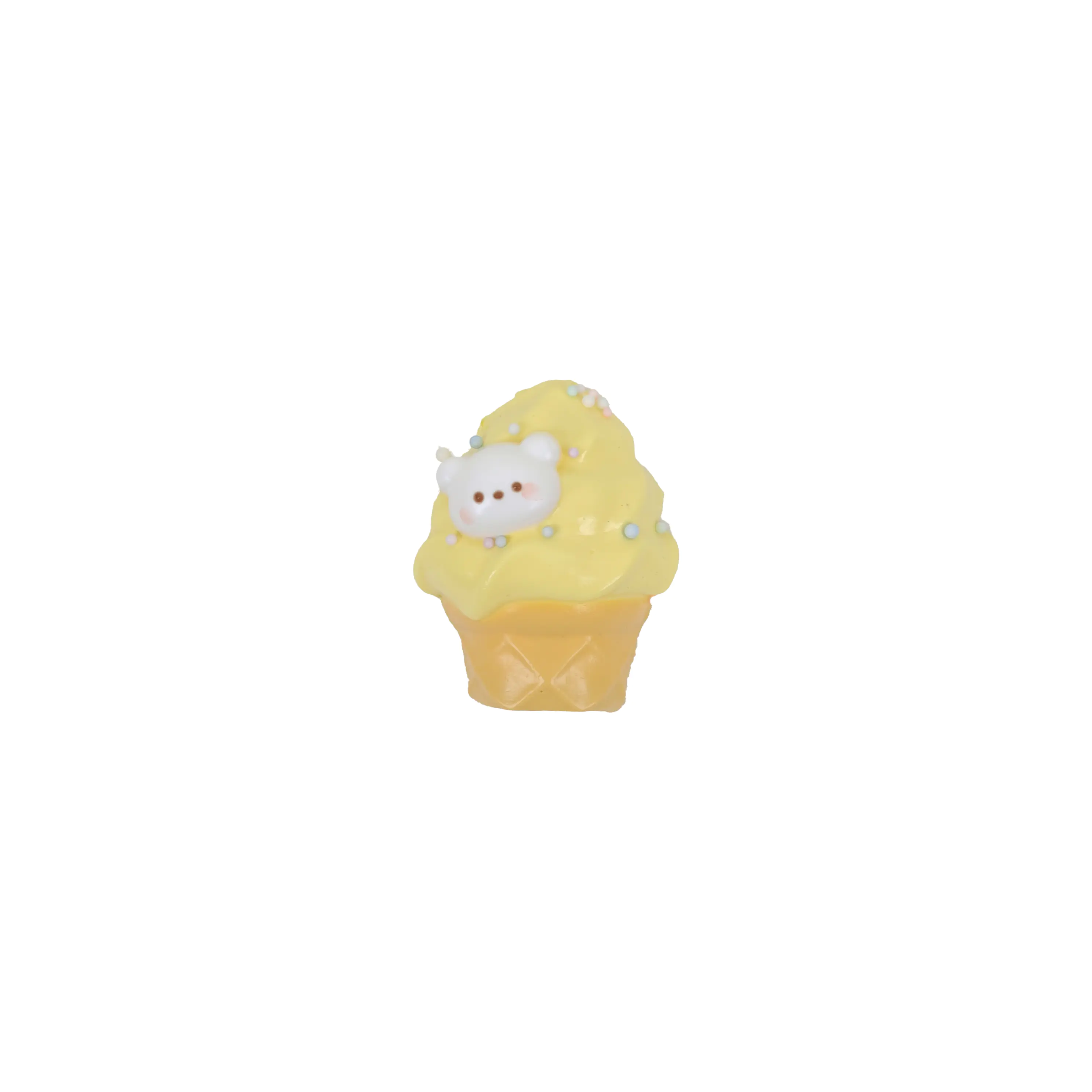 Teddy Bear Ice Cream Cone Silicone Squishy ToyA food-grade silicone dessert squishy with a smooth, easy-wipe finish, three color variants, and a hanging ring for stress relief or bag decoration.View Product →
When Sticky Means It Is Time to Retire the Toy
Some stickiness cannot be cleaned away. If the surface stays tacky after washing and powdering, leaves residue on your hands, cracks, smells strange, or leaks filling, the material is breaking down. Flocked toys that have bald patches or a flattened pile are also past easy repair. For children, it is safer to remove a failing toy than to keep washing it. When you choose a replacement, look for clear material information and testing. Our silicone safety and material testing guide explains the checks behind food-grade silicone, including FDA, LFGB, and SGS references.
A Simple Care Routine That Fits Real Life
- Daily: wipe with a clean, dry microfiber cloth after handling.
- Weekly: check seams, brush flocked fibers, and dust lightly with cornstarch only if needed.
- Monthly: give daily-use smooth silicone toys a gentle soap wash and a full air dry.
- Seasonally: sort out toys that are cracked, leaking, or permanently tacky.
A sticky squishy toy is not automatically ruined. Start gentle, match the method to the surface, rinse well, and let it dry completely before storing it. With a little discipline, most soft toys stay comfortable to squeeze and much easier to keep clean.